My Epilepsy Journey
November is Epilepsy Awareness Month!
Did you know 1 in 26 individuals will be affected by epilepsy in their lives? This month I’ll be posting about my personal journey with epilepsy as well as some general info to help start the conversation! You can also learn about the basics here from The Epilepsy Foundation.
It’s hard to say where my epilepsy journey began, but I’ll start this story on the ambulance.
Truth be told this was my second ride on one in just a few months; the first I have no memory of. On this ride I woke up halfway through, disoriented. The EMT looked at me with a sort of tired familiarity that made me wonder if he assumed it was drug related was there the first time. . .
“Hey,” he told me nonchalantly as I came to and assessed my surroundings. “Yeah, you had a seizure.”
I was as confused as he was dejected. I don’t remember much of what we said to one another, or even what happened at the hospital. One of the main symptoms after a seizure is memory loss.
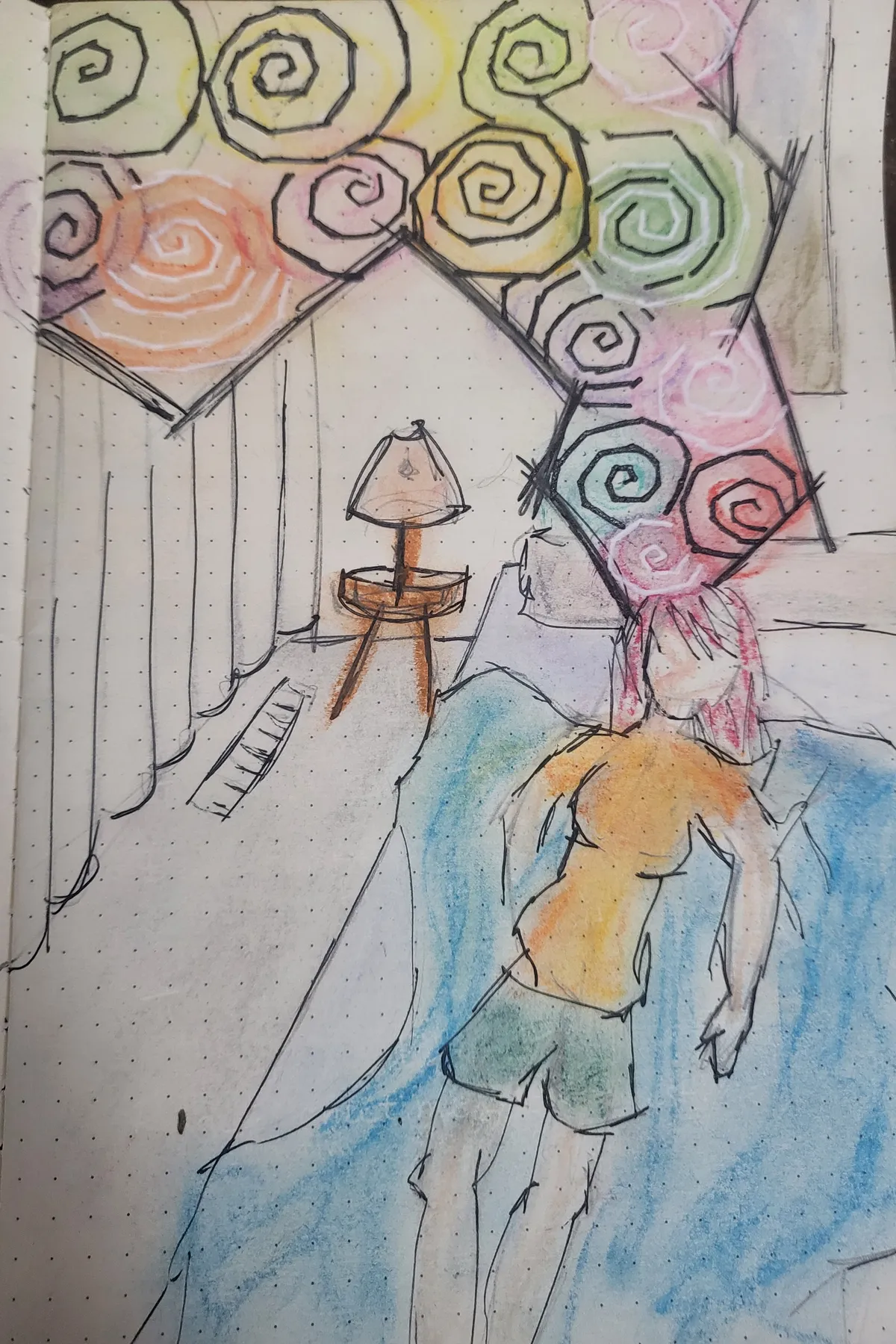 A sketch I did in bed while adjusting to my new beds to try and capture what having a seizure feels like. Pretty accurate in my opinion
It actually wasn’t until a month after that I fully realized I had epilepsy. At the hospital that day they gave me an “anti-seizure” medication, the side effects of which were intense. One of the most well known is lovingly referred to as KEPPRA Rage. By week three mine was so bad I scheduled an emergency consultation with my neurologist, who was the one to actually break the news to me.
While looking KEPPRA up, I kept seeing it listed online as an epilepsy medication. So, at our appointment, I asked her if she thought the seizures I had may have been epilepsy related.
She looked up from typing her notes to look me directly in my tear-filled eyes and say “oh, you have epilepsy.”
The swiftness of her answer was about as surprising as the diagnosis itself at first. Apparently two of the quickest ways to get a diagnosis are to have either two tonic-clonic (formerly known as grand mal) seizures within 24 hours1, or have an EEG show abnormal brain waves indicating seizure activity. . . and I had both.
I say at first because after the initial shock wore off, it actually began to make a lot of sense quickly. My neurology team thinks I may have had epilepsy for most of my life. In fact because of the way that my specific epilepsy works some of my earliest memories may be linked to me having seizures.
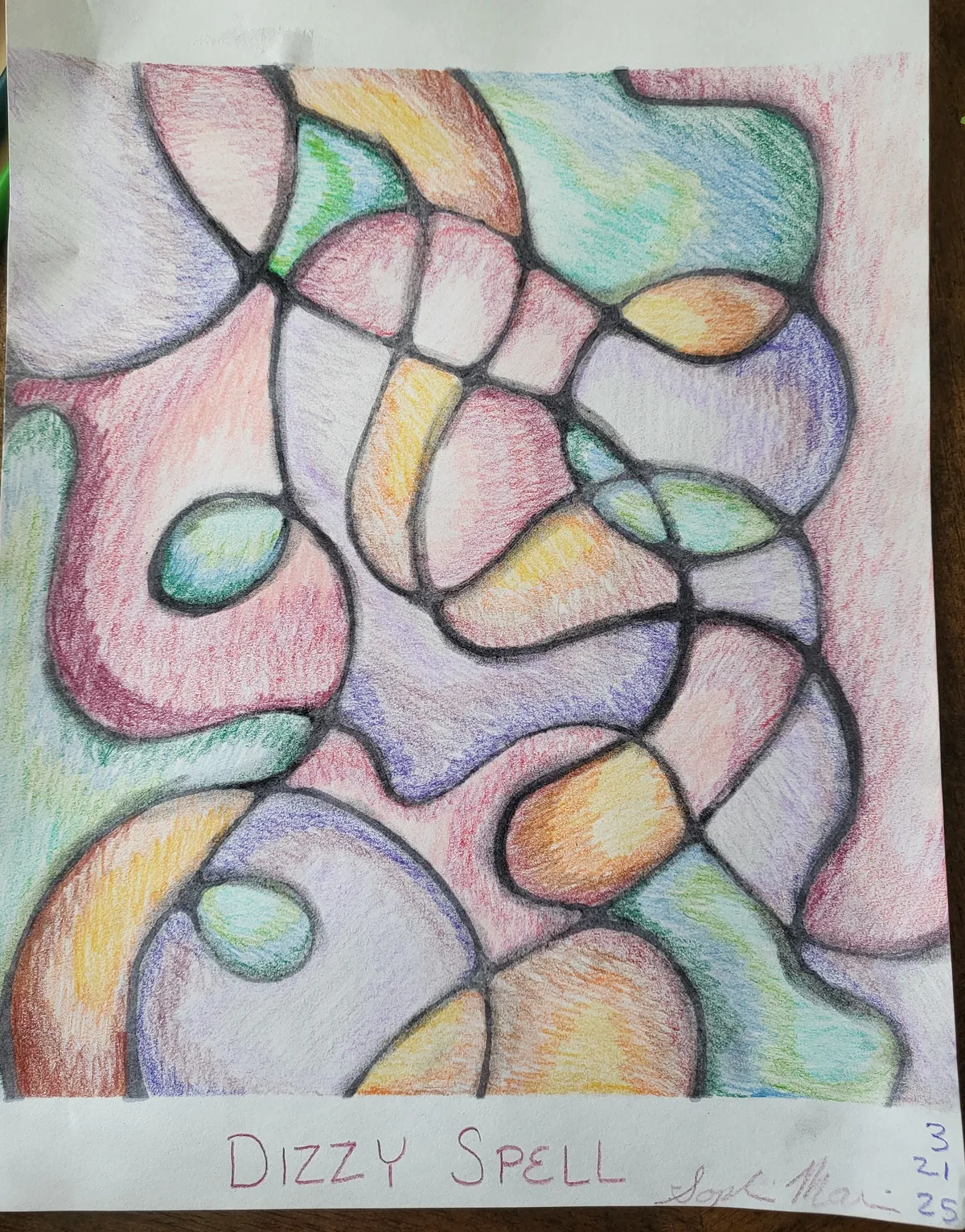 A doodle I did right after my first hospital visit. Ominous. . .
So overall, a huge relief to have answers but a lot to process. There have been lots of ways I have grown to misunderstand myself because of my lack of diagnosis. In the time since my quality of life has steadily increased the more willing I have been to accept I am disabled and simply ask “what’s next?”
Part of that process is understanding I have likely been disabled much longer than I realized. Right after my diagnosis I was mourning the life I’d been chasing before as I began to set more realistic expectations for myself and future. It was sort of a tough pill to swallow but ultimately comforting to know that those expectations had been too high for reasons I didn’t understand for quite awhile. Anger began to fade into acceptance.
My “what’s next?” became community. I joined a support group, then took a Chronic Disorder Self Management class. Both provided me a feeling of being understood that, at the beginning of my journey, I genuinely feared I may never have again.
I’m sure any chronic condition is very isolating. Seizures can be very scary to have and witness. Plus, epilepsy looks different in everyone who has it; because of this seizures can be hard to control. On top of that any seizure has the chance of being life-ending, a condition known as Sudden Unexpected Death in Epilepsy or SUDEP. Getting to share space with others who understood exactly what I was experiencing and learning how to manage on a day by day basis through CDSMP anchored me through a scary and uncertain time.
At the beginning of December I’ll be taking the next big step in my epilepsy journey: an extended stay in an Epilepsy Monitoring Unit to study my brain and determine the best medication combination for me. Before that though, I’ll be getting to meet some members of my epilepsy family through a conference for Epilepsy Awareness Month. And of course, I’ll be posting here a few more times on my own blog to raise awareness before the month is over.